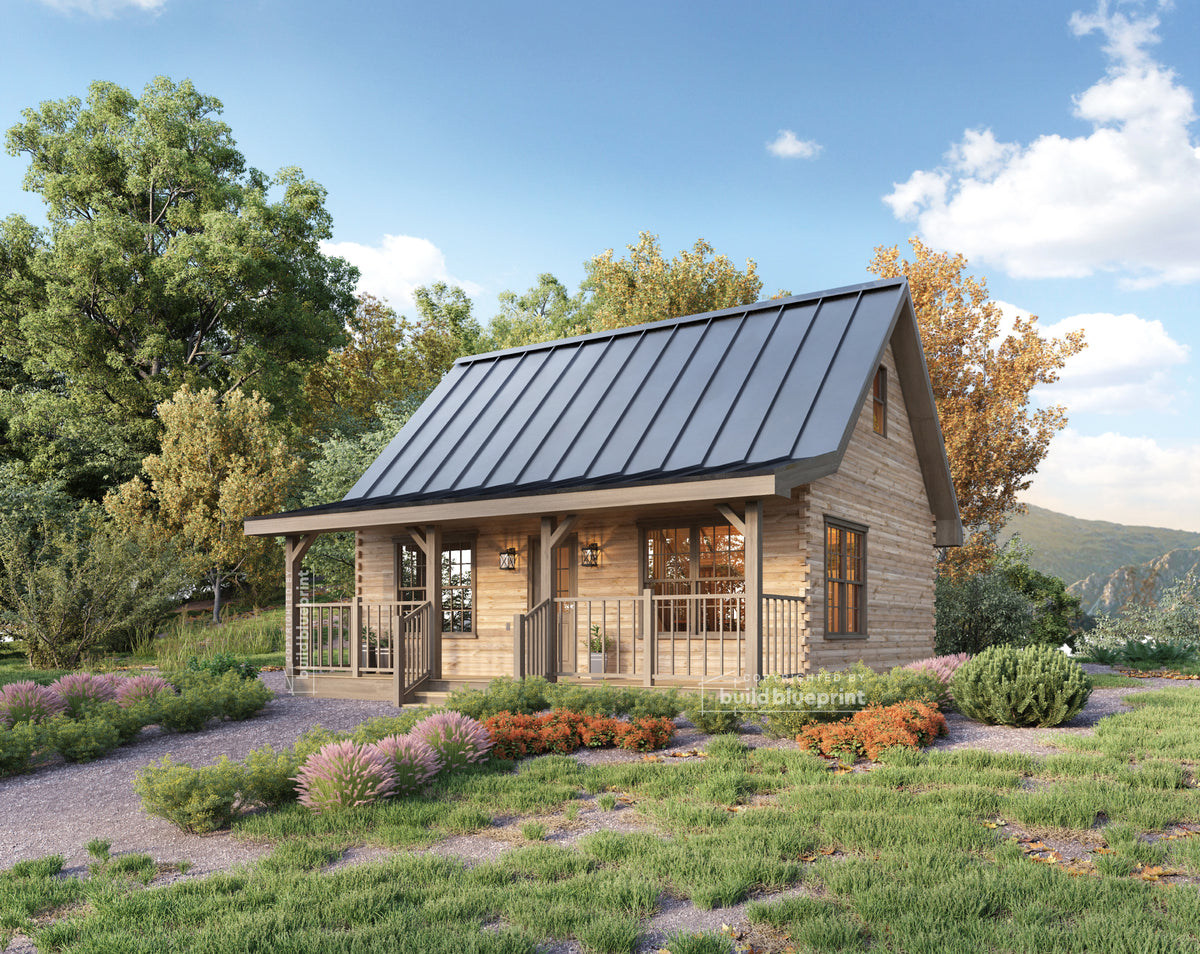

Finishes are the most visible part of a cabin build, which makes them feel like the most expensive part. They are not. Structural decisions — footprint size, foundation type, roof complexity, framing design — account for the bulk of your construction budget. Finishes are the last 15–25%.
But that 15–25% still matters on a tight budget. Here are seven finish categories where you can cut spending without producing a cabin that looks or feels cheap.
1. Crown Molding and Decorative Trim
Crown molding is time-consuming to install, requires skilled finish carpentry, and adds zero structural or functional value. A clean square edge where the wall meets the ceiling, painted in a consistent color, looks intentional and sharp. Cabin interiors benefit from a direct, unfussy aesthetic. Skip the crown molding entirely. If you want visual interest at the ceiling line, add it with a wood ceiling treatment or an exposed beam instead.
2. Tile Showers and Custom Tile Work
Tile installation is one of the most labor-intensive finish tasks in residential construction. A fully tiled shower with custom grout and trim tile runs $3,000–$8,000 installed, depending on scope and market. Prefabricated fiberglass or acrylic shower surrounds run $400–$1,200 and install in hours rather than days. For a cabin that will see seasonal or recreational use, a prefab surround is functionally identical. For a full-time residence, higher-grade prefab panels still come in well under custom tile at a fraction of the labor cost.
3. Solid Wood Cabinetry
Custom solid wood cabinetry can run $500–$1,200 per linear foot installed. Stock cabinets from major home improvement stores run $60–$200 per linear foot and have improved substantially in quality over the last decade. For a small cabin kitchen — typically 10–15 linear feet of cabinet runs — switching from custom to stock saves $5,000–$15,000 with no meaningful impact on daily function. Paint them, add hardware you like, and move on.
4. Hardwood Flooring
Solid hardwood floors run $8–$15 per square foot installed and require acclimation, nailing to a subfloor, sanding, and finishing. Quality luxury vinyl plank (LVP) runs $3–$6 per square foot installed, is waterproof, handles temperature swings well — important in an unheated or seasonally used cabin — and has a realistic wood appearance. For a cabin environment specifically, where footwear, outdoor use, and temperature variation are constant factors, LVP outperforms solid hardwood practically, not just on price.
5. Recessed Lighting Throughout
A full recessed lighting layout requires more electrical rough-in time, more fixtures, and more trim rings than a simple surface-mounted or pendant fixture plan. For a small cabin, three to five well-placed pendant or semi-flush fixtures cost a fraction of a full recessed layout and create a warmer, more deliberate atmosphere. Save the recessed layout for the kitchen work area if you want it anywhere.
6. Interior Doors with Premium Hardware
Standard hollow-core interior doors run $80–$150 each. For bedroom and bathroom doors in a cabin, hollow-core doors are structurally adequate and acoustically acceptable with a door sweep and proper framing. Premium lever sets and hinges add $100–$200 per door over standard hardware. On a five-door cabin, that is real money going to something no one thinks about after move-in day.
7. Vaulted or Cathedral Ceilings
Vaulted ceilings look dramatic and feel expensive — because they are. Eliminating the flat ceiling means eliminating the attic space used for insulation, HVAC ductwork, and electrical runs. Everything moves into a more complex, more expensive configuration. A well-designed 8' or 9' ceiling with exposed ridge beam detailing in the right places gives you the visual openness of a vaulted space without the full cost penalty.
What to Spend Money On Instead
Put the money you save on finishes toward the things that affect daily life and long-term durability: a better insulation specification, upgraded windows that hold heat, quality exterior cladding that doesn't require repainting every three years, and a roof system with a 40-year lifespan rather than a 20-year one. These decisions compound over the life of the structure. The finish choices don't.
The plans in our Budget Cabin collection are designed to make these tradeoffs easy — straightforward layouts that work with standard finishes and don't require specialty anything to complete. Download your plan set, get accurate bids from your contractor, and put your budget where it counts.