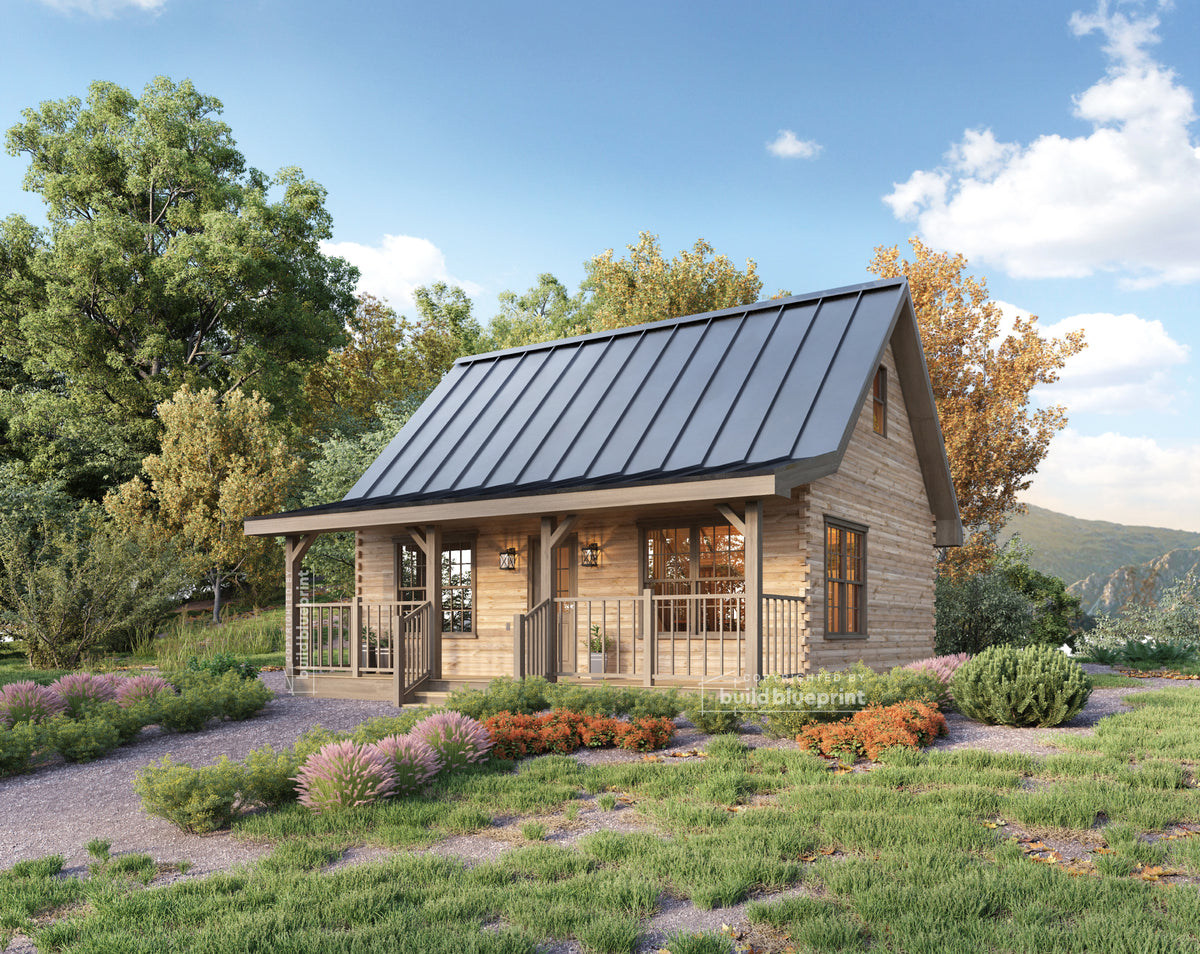
Texas is the most geographically diverse cabin-building market in the country. From the forested Piney Woods of East Texas to the limestone hills of the Hill Country to the high desert of West Texas, the state offers radically different build environments — each with its own land costs, labor markets, site challenges, and permit landscape. Understanding which region you're building in is the first step to getting a realistic cost picture.
What a Cabin Build Costs in Texas
Texas has favorable labor costs in most rural markets, particularly outside the major metro areas. In most rural Texas counties, contractor-built cabins run $95–$155 per square foot of finished space depending on finish level, foundation type, and access to skilled labor in the specific county.
What that translates to in real build numbers:
- 500–650 SF cabin (1 bed or studio + loft): $55,000–$100,000 for the structure in most rural Texas markets
- 650–850 SF cabin (2 bed, 1 bath): $80,000–$135,000 for the structure
- 900–1,200 SF cabin (3 bed, 2 bath): $110,000–$185,000 for the structure
These ranges reflect structure cost only — not land, site work, septic, well, or permits. The Hill Country (Fredericksburg, Wimberley, Bandera, Kerrville) commands premium labor costs due to high demand from Austin and San Antonio buyers. East Texas rural markets are generally lower cost. Remote West Texas builds face logistics costs that offset the low labor rates.
Texas Regional Build Markets
Hill Country: The most active cabin and short-term rental build market in the state. Within 1–2 hours of Austin and San Antonio, the Hill Country draws buyers building income-producing vacation properties at scale. Land costs have risen significantly over the past several years due to demand. Labor is available but competitive — get multiple bids and plan further ahead than you would in a lower-demand market. The Airbnb and VRBO market here is one of the strongest in the South.
East Texas / Piney Woods: The most affordable region for cabin construction in the state. Wooded, piney terrain produces a classic cabin aesthetic; land is accessible and relatively affordable compared to the Hill Country. Labor costs are lower, contractor availability is better, and the build environment is more forgiving for first-time builders. Popular areas include the Sam Houston National Forest corridor, Lake Livingston, and the Sabine River area.
North Texas / Lake Country: Cabin and recreational property builds concentrated around the major lakes — Texoma, Possum Kingdom, Granbury, and Lewisville. Proximity to the Dallas-Fort Worth metro means land costs are higher and labor is competitive, but the market for short-term and weekend rentals is strong given the population base nearby.
West Texas / Big Bend: The most remote build environment in the state. Land can be exceptionally affordable, but infrastructure costs — road access, well depth, solar or generator systems for off-grid builds — add significantly to total project cost. Best suited for buyers specifically seeking remote, off-grid builds and willing to manage the logistics complexity.
Site Development Costs in Texas
Texas rural sites typically require full site development. Budget these separately:
- Septic system: Texas Commission on Environmental Quality (TCEQ) regulates on-site sewage facilities (OSSFs). A conventional system in most Texas counties runs $6,000–$14,000. Aerobic systems — required in some counties or by lot size — cost more. A licensed site evaluator must assess the lot before a permit is issued.
- Well: Well depth varies significantly by region. Hill Country wells can be deep due to the Edwards Plateau geology — budget $8,000–$20,000 and get a local driller's estimate before committing to a lot. East Texas wells are generally shallower and less expensive.
- Land clearing: East Texas lots require clearing dense pine and hardwood growth — budget $5,000–$15,000 for a half-acre build pad. Hill Country lots may require cedar clearing and rock work. West Texas sites are often open but may require road construction.
- Driveway: Caliche gravel is the standard base material in most Texas counties — $2,000–$8,000 depending on length and terrain.
- Electric service: Rural electric co-ops serve most of Texas outside the ERCOT urban grid. Service extension cost depends on distance from the existing line — get a quote from the local co-op before finalizing your lot.
Texas Permit Requirements
Texas has a unique regulatory environment for residential construction. Unlike most states, Texas does not impose a statewide residential building code on unincorporated areas. In general, counties in Texas are prohibited from adopting building codes for single-family residences in unincorporated areas — which covers the majority of rural cabin build sites.
In practice, this means:
- Many rural, unincorporated Texas counties do not require a building permit for residential construction. This can significantly simplify and accelerate the build process.
- Cities and incorporated towns within any county have their own codes and permit requirements. If your lot is within city limits — even in a rural area — a permit is likely required.
- Septic permits are always required and regulated separately by TCEQ, regardless of whether a building permit is required.
- Manufactured housing and some other structure types have separate state regulations that may apply.
Confirm the specific requirements for your county and lot with the county judge's office or county appraisal district before purchasing land or plans. While many rural Texas counties have limited permit requirements, individual HOAs, deed restrictions, or watershed regulations may impose additional constraints.
For a broader overview of the permit process: How to Get a Building Permit for Your Cabin: A State-by-State Guide
Texas Airbnb Cabin Economics
The Texas Hill Country short-term rental market is among the strongest in the South. Properties near Fredericksburg, Wimberley, Gruene, and the Frio River corridor consistently achieve strong occupancy rates and premium nightly pricing. A well-positioned 2–3 bedroom cabin with outdoor amenities — hot tub, fire pit, private setting — can generate $35,000–$70,000+ in annual gross revenue depending on location, amenities, and management.
East Texas lake properties near Livingston, Toledo Bend, and the Sam Houston area also perform well for fishing and outdoor recreation rentals, with a different buyer profile and lower nightly rates but strong seasonal demand.
Texas has no state income tax, which means short-term rental income is not subject to state-level income taxation — a meaningful advantage for buyers evaluating investment return versus other states.
Plans That Work Well for Texas Builds
- 20' x 26' Adirondack permit-ready set — 2 bed, 1 bath, 650 SF, loft — most popular plan in the catalog, well-suited for Hill Country and East Texas retreats
- 28' x 28' Long Creek permit-ready set — 2 bed, 1 bath, 784 SF, open layout with covered porch
- 32' x 32' Alpine permit-ready set — 3 bed, 2 bath, 1,024 SF, open plan with large covered porch
- 24' x 36' Nordic A-Frame permit-ready set — 3 bed, 2 bath, 1,152 SF — strong visual appeal for Hill Country rental photography
- 35' x 35' Hilltop Hideout permit-ready set — 3 bed, 2 bath, 1,225 SF — for buyers prioritizing sleeping capacity
The Bottom Line
Texas offers some of the most favorable conditions for cabin building in the country — low rural labor costs, limited permit requirements in most unincorporated areas, no state income tax, and strong short-term rental markets in key regions. Total project costs for a complete cabin build including site development typically run $110,000–$230,000 depending on size, region, and finish level. Confirm your county's specific requirements before purchasing, price out well and septic costs before committing to a lot, and get multiple contractor bids in your specific market before finalizing your plan size.