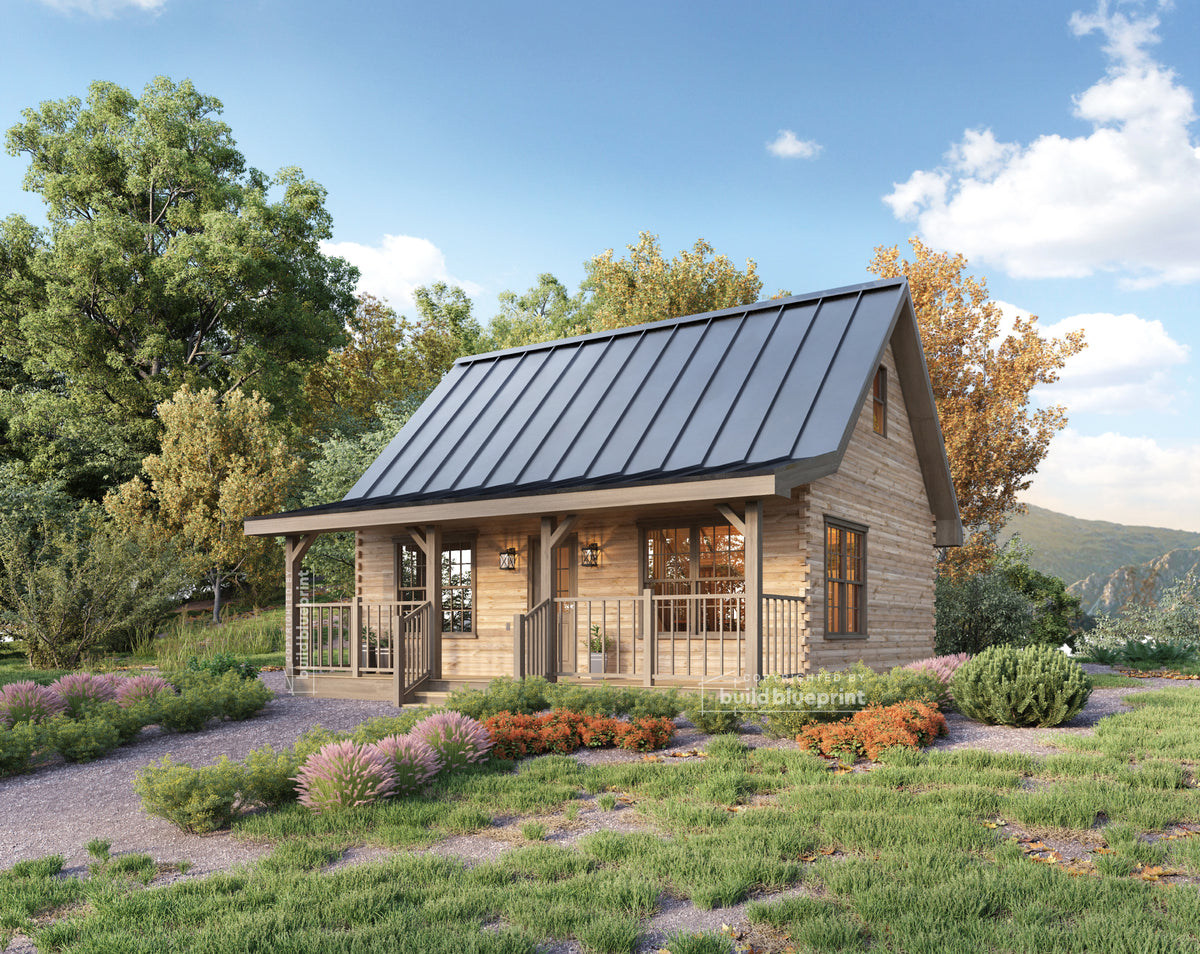

Siding longevity is one of the most searched questions in the cabin exterior space — and one of the most misunderstood. Manufacturer warranties and real-world performance often tell different stories. Here's an honest comparison of how long each major siding type actually lasts, and what that means for your build.
Longevity Comparison at a Glance
| Siding Type | Expected Lifespan | Maintenance Required |
|---|---|---|
| Metal (Steel/Aluminum) | 40 – 70 years | Very low |
| Fiber Cement | 30 – 50 years | Low (repaint every 10–15 yrs) |
| Vinyl | 20 – 40 years | Very low |
| Engineered Wood | 20 – 30 years | Low (repaint every 8–12 yrs) |
| Natural Wood | 15 – 40 years | High (repaint every 3–7 yrs) |
Metal: The Longest-Lasting Option
Steel and aluminum siding last 40 to 70 years in most climates with almost no maintenance beyond occasional washing. For cabin styles that suit metal — contemporary A-frames, lean cottages, and modern barn designs — it's an excellent long-term investment. Our Lean Cottage and Barn House designs are particularly well suited to metal panel siding.
One caveat: aluminum dents more easily than steel. In areas with significant hail risk, steel with a quality Kynar coating is the better choice.
Planning a metal-sided build? The 20' x 20' Lean Cottage Plans are designed with clean lines that pair perfectly with standing seam metal panels — one of our most popular designs for low-maintenance builds.
Fiber Cement: Best Balance of Longevity and Appearance
Fiber cement lasts 30 to 50 years and carries a 30-year product warranty. For cabins in wet or humid climates — the Pacific Northwest, Gulf Coast, Appalachia, or anywhere with sustained rainfall — fiber cement's moisture resistance makes it the most sensible long-term choice. It suits virtually every cabin style and is available in board-and-batten, lap, and shingle profiles that work with our Adirondack, Farmhouse, and Alpine Cabin designs.
Building in a wet climate? The 32' x 32' Alpine Cabin Plans include full exterior elevations showing board-and-batten fiber cement detailing — ideal for high-moisture environments.
Vinyl: Durable but Not Forever
Quality vinyl siding lasts 20 to 40 years in most climates. Its lifespan is limited primarily by UV degradation — the color fades and the material becomes more brittle over time. In very cold climates, vinyl can crack on impact during winter months when the material is at its most rigid. Vinyl's appeal is its near-zero maintenance requirement: it never needs painting, resists moisture, and cleans with a garden hose.
Natural Wood: High Upside, High Maintenance
Cedar, redwood, and pine siding can last 40 years or more — but only with consistent, disciplined maintenance. Repainting or restaining every 3 to 7 years is non-negotiable to prevent rot and moisture penetration. For a seasonal cabin or vacation rental, the maintenance burden is often impractical. Engineered wood — which provides a similar look with significantly lower maintenance requirements — is a more realistic choice for most cabin builders.
The Real Cost Calculation
Upfront cost per square foot is only part of the equation. On a 50-year horizon, fiber cement and metal often cost less in total than cheaper materials that require replacement or intensive maintenance:
- Vinyl at $5/SF installed, replaced at 30 years: total lifetime cost roughly $5/SF plus one replacement cycle
- Fiber cement at $9/SF installed, repainted twice over 50 years: total lifetime cost roughly $12 to $15/SF
- Metal at $11/SF installed, lasting 50+ years with minimal maintenance: total lifetime cost roughly $11 to $13/SF
Bottom Line
For maximum longevity: metal, then fiber cement. For lowest maintenance: metal and vinyl. For best value in a mild or dry climate: engineered wood. For the most demanding wet climates: fiber cement or metal. Natural wood only makes sense if you're committed to regular maintenance.
Find the Right Plan for Your Exterior
Each Build Blueprint plan includes full exterior elevations so you can visualize exactly how your siding choice will look before you build.

20' x 20' Lean Cottage Clean lines · Ideal for metal siding View Plans → |

32' x 32' Alpine Cabin Full loft · Great for fiber cement View Plans → |

24' x 34' Adirondack Cabin Classic style · Works with any siding View Plans → |